Source Water Cooled Turbocharger for BMW Audi Excavator
Find and compare 30 water cooled turbocharger options from verified Chinese suppliers. Buyers can review specifications, certifications, and pricing for BMW, Audi, and excavator applications before requesting quotes.
Key considerations
Products List
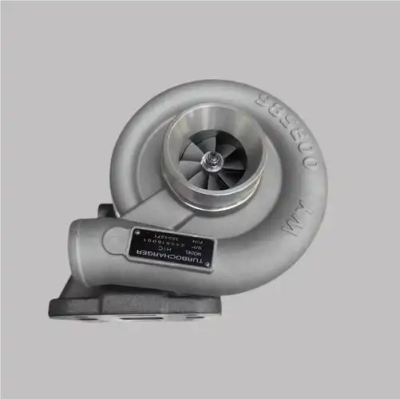


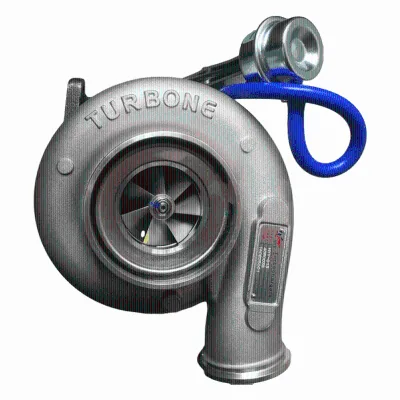


Comprehensive Sourcing Guide
Strategic Sourcing Guide for Water Cooled Turbochargers
Navigating the global market for water-cooled turbochargers requires a disciplined approach that balances technical precision with rigorous supplier verification. These components are critical for managing thermal loads in high-performance diesel and gasoline engines, where efficient heat dissipation is essential for maintaining boost pressure and engine longevity. The following guide synthesizes observed market data and technical requirements to assist procurement professionals in identifying viable supply chain partners and validating product specifications without relying on unverified claims.
Technical Specifications and Thermal Management
The defining characteristic of a water-cooled turbocharger is its ability to circulate engine coolant through the center housing to dissipate heat from the bearing system. This design prevents oil coking and extends component life compared to oil-cooled-only variants. When evaluating potential inventory, buyers must verify the specific cooling architecture. Market observations indicate that these units are frequently categorized by their flow dynamics, such as axialflow configurations, which are common in modern high-efficiency applications.
Key technical parameters to validate include the engine model compatibility and the specific part numbers associated with the application. For instance, sourcing for specific engine architectures like the 4jg2t requires precise matching of the turbocharger housing and turbine wheel dimensions. The physical dimensions of the unit, including package size, are also critical for logistics planning. Observed data suggests that individual units may be packaged in boxes measuring approximately 32x28x38 cm, though this varies by manufacturer.
Furthermore, the material composition of the housing and internal components dictates durability. While some units feature steel bodies for robustness, others utilize aluminum for weight reduction. The choice between these materials often depends on the specific thermal and mechanical stress requirements of the target vehicle or machinery. Buyers should also confirm the fuel type compatibility, as diesel applications often demand different thermal management strategies than gasoline engines. The power output range, observed in some listings as spanning from 154 kW to 225 HP, serves as a benchmark for matching the turbocharger to the engine's performance envelope.
Compliance and Certification Verification
In the automotive and heavy machinery sectors, certification is not merely a formality but a prerequisite for market entry and liability protection. When sourcing water-cooled turbochargers, procurement teams must demand proof of adherence to international quality and safety standards. The supply chain often references a broad spectrum of certifications, including ISO 9001, TS 16949 (now IATF 16949), CE, BV, GMC, and TUV. These documents verify that the manufacturing process meets specific quality management and safety requirements.
It is essential to distinguish between product-level certifications and system-level audits. Some listings mention specific component certifications, such as ISO ETS for turbine components, which indicates that the turbine assembly itself has undergone specific testing protocols. However, buyers should not assume that a general "CE" mark covers the entire assembly without verifying the scope of the certificate. The presence of a Machinery Test Report is another valuable indicator of quality control, suggesting that the unit has undergone functional testing prior to shipment.
When evaluating a supplier, request copies of these certificates and verify their validity dates. A supplier claiming "High-Quality" status without supporting documentation from recognized bodies like TUV or ISO should be treated with caution. The standard of the product should align with the customer's needs, which may range from generic compliance to specific OEM standards. For applications in the automotive sector, adherence to TS16949 is particularly critical, as it ensures the supplier meets the rigorous demands of the automotive industry.
Cost Drivers and Pricing Structures
The pricing of water-cooled turbochargers is influenced by a complex interplay of factors, including material costs, manufacturing complexity, and the level of customization required. Market data indicates a wide price range, from low-cost entry-level units to high-performance custom solutions. The observed price spectrum spans from $1 to $5,000, reflecting the diversity of applications from small agricultural machinery to heavy-duty commercial vehicles.
Material composition is a primary cost driver. Units with aluminum bodies may be priced differently than those with steel construction, depending on the raw material market and the machining processes involved. Additionally, the level of customization significantly impacts the final price. While standard off-the-shelf units are generally more affordable, custom models designed for specific engine applications or unique packaging requirements will incur higher costs.
Minimum Order Quantity (MOQ) also plays a role in the effective unit price. Some suppliers offer a single unit or a small set as the minimum order, which is beneficial for prototyping or small fleet maintenance. Conversely, larger orders may trigger volume discounts, though the observed MOQs vary widely, with some suppliers requiring a minimum of 10 pieces for certain models. Buyers should negotiate based on their specific volume needs, keeping in mind that the "Single item" selling unit is common for direct replacements, while bulk orders may require different packaging and logistics arrangements.
Typical Applications and Compatibility
Water-cooled turbochargers are versatile components found across a wide array of industries. The primary applications include automotive vehicles, heavy machinery, and industrial equipment. Specific vehicle brands, such as BMW, Audi, and various excavator manufacturers, utilize these systems to enhance performance and reduce emissions. The compatibility of the turbocharger with the engine model is paramount; for example, units designed for the 4jg2t engine must match the specific intake and exhaust flange configurations of that powerplant.
The application context also dictates the required durability and performance characteristics. In automotive applications, the focus is often on responsiveness and fuel efficiency, whereas in excavator or heavy machinery applications, the emphasis shifts to torque delivery and thermal stability under continuous load. The "Runoff" type of ETS (Exhaust-Gas-Turbo-Super-Charger) system is one configuration observed in the market, suitable for specific exhaust flow dynamics.
Buyers must carefully cross-reference the part number with their existing inventory or vehicle specifications. Part numbers such as 129935-18010 or 8971760801 serve as unique identifiers that ensure the correct fitment. Misidentification can lead to installation failures or engine damage. Therefore, verifying the application against the part number is a critical step before finalizing any purchase.
Supplier Evaluation and Logistics
Selecting a reliable supplier involves more than just comparing prices; it requires a comprehensive assessment of their operational capabilities. Key factors include the supplier's place of origin, lead times, and shipping methods. Many suppliers are located in China, with specific hubs in regions like Guangdong, which is known for its manufacturing infrastructure. The lead time for these components can vary, with observed ranges spanning from 3-7 working days for standard items to 15-20 days for custom orders.
Logistics and packaging are also vital considerations. The method of packing, whether in carton boxes or specialized ocean freight containers, affects the safety of the product during transit. Suppliers often offer flexible packing options, such as "as Required," to accommodate different shipping needs. Shipping methods like DHL, UPS, and FedEx are commonly used for faster delivery, while ocean freight may be utilized for larger, bulk shipments.
Payment terms are another critical aspect of supplier evaluation. Standard practices often include T/T (Telegraphic Transfer), which provides a balance of security for both parties. Buyers should clarify the payment schedule and ensure it aligns with their cash flow requirements. Additionally, the warranty period, typically observed as 12 months, offers a layer of protection against manufacturing defects. A supplier that offers a robust warranty and provides machinery test reports demonstrates confidence in their product quality.
Quality Control and Long-Term Procurement
Ensuring long-term reliability requires a proactive approach to quality control. Buyers should insist on detailed documentation, including test reports and material certificates, before accepting any shipment. The condition of the product, whether "New" or refurbished, must be clearly stated and verified. High-quality standards are essential, and suppliers claiming "High-Quality" status should be able to substantiate this with third-party testing data.
For long-term procurement, establishing a relationship with a supplier that offers customization is advantageous. The ability to tailor the product to specific needs, such as custom models or specific packaging, can provide a competitive edge. However, this customization must be balanced with the lead time and cost implications. Buyers should also consider the availability of spare parts and the supplier's capacity to scale production if demand increases.
In conclusion, sourcing water-cooled turbochargers demands a meticulous evaluation of technical specifications, certifications, and supplier capabilities. By adhering to the observed market data and maintaining a rigorous verification process, procurement professionals can secure high-quality components that meet the demanding requirements of modern engines and machinery. The integration of these factors ensures a supply chain that is resilient, compliant, and capable of delivering consistent performance over the long term.
FAQs
What certifications are available for water cooled turbochargers?
Available certifications include CE, ISO 9001, TS 16949, TUV, BV, and GMC. Some listings also specify ISO ETS for turbine components, ensuring the assembly meets specific testing protocols for quality and safety compliance.
Which lead times apply to custom water cooled turbocharger orders?
Custom orders typically require about 15 to 20 days for production and delivery. Standard items may be available within 3 to 7 working days, depending on the specific supplier capacity and current inventory levels.
Can buyers customize the packaging for water cooled turbochargers?
Yes, customization is available for packaging requirements such as carton boxes or ocean freight containers. Suppliers often offer packing options as required by the customer to ensure safe transit and logistics compatibility.
What is the minimum order quantity for water cooled turbochargers?
Minimum order quantities vary by model, ranging from 1 piece per set to 10 pieces for specific items. Buyers should verify the specific MOQ with the supplier to align with their procurement volume needs.
Which engine models are compatible with these water cooled turbochargers?
Compatible engine models include the 4jg2t and various automotive engines for brands like BMW and Audi. Specific part numbers such as 129935-18010 ensure precise fitment for the target vehicle or machinery application.
What materials are used in the body of water cooled turbochargers?
Body materials observed include steel for robustness and aluminium for weight reduction. The choice depends on the thermal and mechanical stress requirements of the specific engine application and performance envelope.
How is the warranty structured for water cooled turbocharger purchases?
The standard warranty period is 12 months, covering manufacturing defects and quality issues. Buyers should confirm the warranty terms and request machinery test reports to verify the product condition before shipment.